
Jewelry often holds both financial and sentimental value. Whether it is a family heirloom passed down through generations, an engagement ring, a luxury watch, or a valuable gemstone collection, understanding its true worth is important. This is where jewelry appraisal services play a crucial role.
A professional jewelry appraisal provides an expert evaluation of your jewelry’s value based on factors such as materials, craftsmanship, condition, rarity, and current market trends. In this article, we will explore what jewelry appraisal services are, how they work, and why obtaining a professional appraisal is essential.
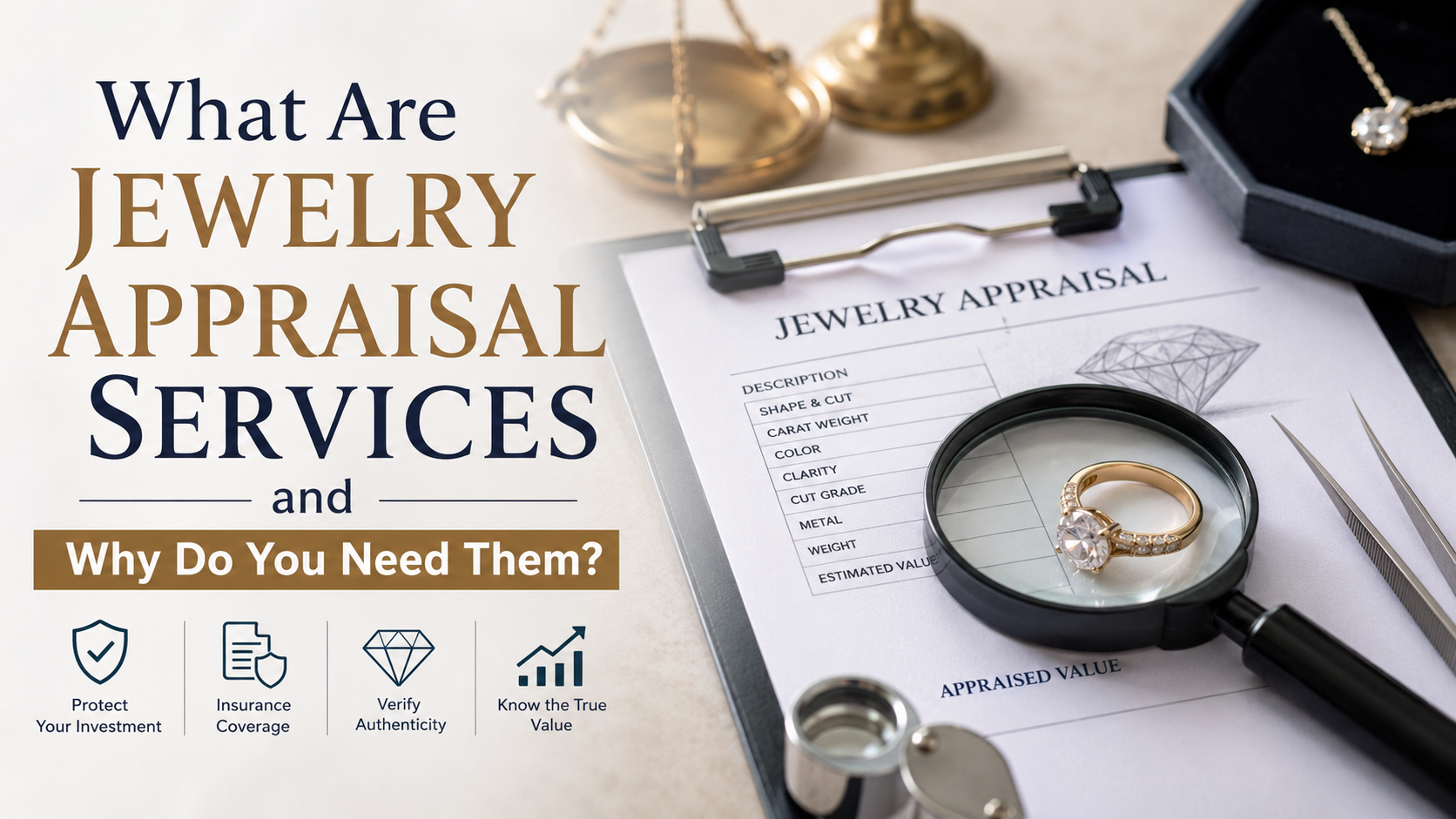
Jewelry appraisal services involve a detailed examination and valuation of jewelry items by a qualified appraiser. The appraiser carefully inspects the piece and prepares a formal document that describes the jewelry and assigns a value based on its intended purpose.
This document serves as an official record of your jewelry’s value and characteristics.
Different situations require different types of appraisals. Common appraisal types include:
Insurance Appraisals
Insurance appraisals determine the replacement value of jewelry if it is lost, stolen, or damaged. Insurance companies often require a professional appraisal before providing coverage.
Estate Appraisals
Estate appraisals are used during inheritance settlements, estate planning, and probate proceedings. They help establish fair market value for legal and tax purposes.
Resale Appraisals
If you plan to sell jewelry, a resale appraisal provides an estimate of its current market value, helping you make informed pricing decisions.
Divorce Settlements
Jewelry appraisals are frequently used during divorce proceedings to ensure assets are fairly divided between parties.
Donation Appraisals
When donating valuable jewelry to a charitable organization, an appraisal may be required to support tax deductions.
Protect Your Investment
Fine jewelry can represent a significant financial investment. Without an accurate appraisal, you may not know the true value of your pieces. A professional appraisal helps protect your investment and provides documentation of ownership.
Obtain Proper Insurance Coverage
Many jewelry owners discover too late that their insurance coverage is insufficient. A current appraisal ensures that your jewelry is insured for an appropriate replacement value, reducing financial risk in case of loss or damage.
Verify Authenticity
A professional appraiser can confirm whether gemstones, diamonds, and precious metals are genuine. This is especially important when purchasing inherited jewelry or items from private sellers.
Assist with Estate Planning
Families often encounter disputes regarding the value of inherited jewelry. An appraisal provides an unbiased valuation that can simplify estate distribution and reduce conflicts among beneficiaries.
Similar Link: How Much Does an Average Jewelry Appraisal Cost in 2026?
Support Selling Decisions
If you plan to sell jewelry, an appraisal helps you understand its fair market value and prevents undervaluing valuable pieces.
Track Value Changes Over Time
The value of precious metals and gemstones fluctuates with market conditions. Regular appraisals help owners stay informed about changes in their jewelry’s worth.
The appraisal process typically includes several steps:
Initial Examination
The appraiser carefully inspects the jewelry, noting design details, craftsmanship, and overall condition.
Gemstone Analysis
Diamonds and gemstones are evaluated based on characteristics such as:
Metal Testing
The appraiser identifies and verifies the type and purity of precious metals, such as gold, platinum, or silver.
Market Research
Current market conditions and comparable sales data are reviewed to determine accurate valuation.
Documentation
A detailed appraisal report is prepared, including descriptions, photographs, and value estimates.
Experts generally recommend updating jewelry appraisals every three to five years. Market prices for gold, platinum, diamonds, and colored gemstones can change significantly over time. Regular updates help ensure insurance policies and financial records remain accurate.
You should also consider a new appraisal if:
Choosing a Qualified Jewelry Appraiser
Not all appraisers have the same qualifications. When selecting a jewelry appraisal service, consider the following:
Working with a qualified appraiser helps ensure accurate and unbiased results.
Conclusion
Jewelry appraisal services provide professional, documented valuations that help protect valuable assets. Whether you need insurance coverage, estate planning assistance, resale guidance, or authenticity verification, a professional appraisal offers peace of mind and financial clarity.
By investing in regular jewelry appraisals, you can safeguard your treasured pieces, make informed decisions, and ensure that their true value is properly recognized and protected for years to come.
1. What is a jewelry appraisal service?
A jewelry appraisal service is a professional evaluation of a jewelry item’s value, quality, authenticity, and characteristics. The appraiser provides a detailed report that can be used for insurance, estate planning, resale, or legal purposes.
2. Why do I need a jewelry appraisal?
A jewelry appraisal helps determine the accurate value of your jewelry, ensuring proper insurance coverage, supporting estate planning, verifying authenticity, and providing documentation for resale or legal matters.
3. How often should jewelry be appraised?
Most experts recommend updating jewelry appraisals every three to five years because the market value of precious metals and gemstones can change significantly over time.
4. What information is included in a jewelry appraisal report?
A professional appraisal report typically includes descriptions of gemstones and metals, measurements, photographs, condition assessments, quality grades, and the estimated value of the jewelry.
5. Can a jewelry appraisal verify whether my jewelry is authentic?
Yes. During the appraisal process, a qualified appraiser examines the materials, gemstones, and craftsmanship to determine whether the jewelry is genuine and accurately represented.


